
The historical journey of gambling From ancient rituals to modern casinos
The Origins of Gambling
The roots of gambling can be traced back thousands of years to ancient civilizations. Archaeological evidence suggests that early forms of games of chance existed in Mesopotamia around 3000 BC. These games often involved dice made from animal bones, which were utilized not only for entertainment but also in religious rituals. As societies evolved, so did the complexity of their gambling practices, with games being integrated into social and cultural norms. Today, you can find exciting options such as crypto no kyc casino, emphasizing user privacy in gaming.
In ancient China, around 2000 BC, the first known lottery emerged, where participants would draw lots to determine ownership of land or goods. This practice spread to neighboring countries, leading to various forms of gambling that were often sanctioned by the state. In Egypt, gambling was present during the time of the pharaohs, with references to games of chance found in tombs, highlighting its significance in everyday life and afterlife beliefs.
These early forms of gambling were not merely seen as entertainment; they often served as a means of divination and spiritual connection. Players believed that chance outcomes could reveal insights from the divine or influence the fate of crops and families. The significance of gambling in these early societies laid the groundwork for the extensive gambling practices that would develop in the centuries to follow.
The Rise of Gambling in the Middle Ages
The Middle Ages marked a significant turning point for gambling, as it began to be more formalized and regulated. Games like dice, card games, and betting on animal fights gained popularity among the nobility and common folk alike. Despite the church’s attempts to curb gambling, it became an integral part of social life, leading to the establishment of gambling houses. These establishments offered a space for social interaction while providing an outlet for the thrill of chance.
The introduction of playing cards in the 14th century, which likely originated from Asia, transformed the gambling landscape. Card games became widely popular across Europe, leading to various regional adaptations. By the 17th century, the game of baccarat emerged in Italy, and poker started to take shape in France. These games not only entertained but also began to attract significant financial stakes, further embedding gambling into the fabric of society.
As the Renaissance flourished, gambling began to intertwine with emerging concepts of risk and probability. This period saw the emergence of early gambling regulations, as governments sought to control the lucrative industry. Cities like Venice became known for their gambling houses, which operated under specific licenses. The rise of gambling during this time laid the foundation for the more organized and commercialized gambling enterprises of the modern era.
The Age of Enlightenment and the Birth of Modern Gambling
The Age of Enlightenment in the 18th century brought significant advancements in various fields, including gambling. The establishment of lotteries became widespread, with governments recognizing the potential for revenue generation. These lotteries funded public projects, including infrastructure and education, making gambling more socially acceptable. The concept of gaming establishments began to evolve into structured casinos, catering to a growing appetite for gambling.
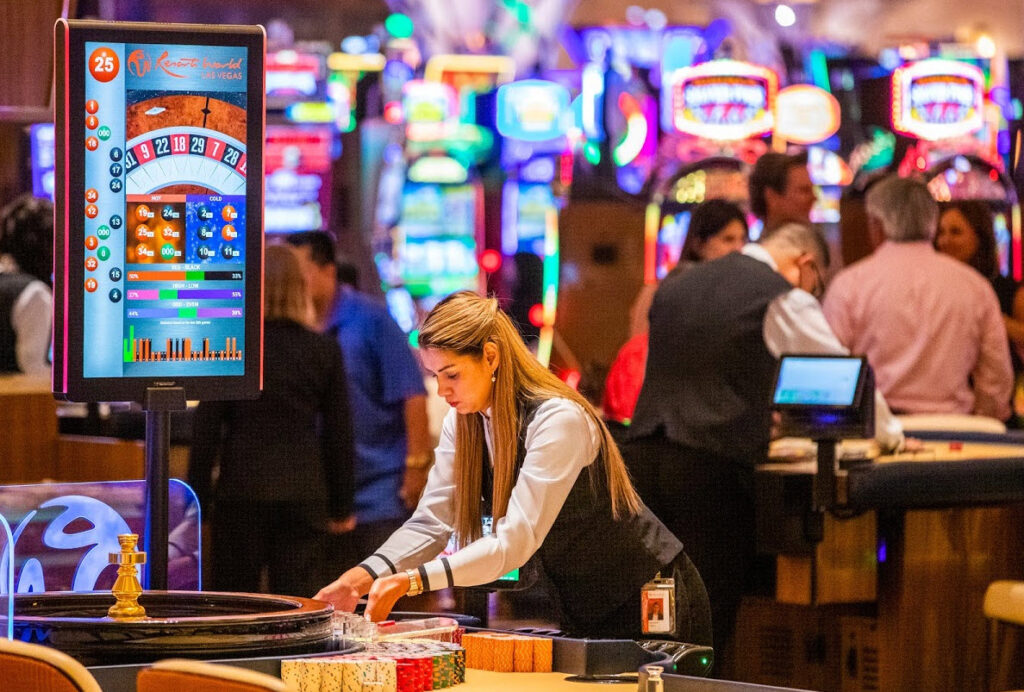
In the latter part of the 18th century, the first official casino was established in Venice, followed by others across Europe. These venues offered a variety of games, from roulette to blackjack, and attracted affluent patrons looking for luxury and excitement. The glamour associated with casinos started to capture public imagination, leading to the proliferation of gambling houses in cities like Monte Carlo and Paris.
By the 19th century, gambling had become an international phenomenon. The introduction of standardized rules for games and the rise of sports betting further solidified its popularity. Gambling reached new heights in the United States with the establishment of gaming venues in places like New Orleans and eventually Las Vegas. The gambling landscape was rapidly changing, driven by both societal acceptance and economic potential.
The Impact of Technology and Globalization
The 20th century witnessed a technological revolution that dramatically transformed the gambling industry. The invention of the slot machine in the late 19th century revolutionized how people engaged with games of chance. These machines offered instant gratification and became a staple in bars and casinos. The development of gaming technology continued throughout the century, culminating in the rise of electronic and online gambling platforms.
The advent of the internet in the late 20th century marked a significant shift, allowing gambling to enter homes worldwide. Online casinos began to emerge in the 1990s, offering a broad range of games and betting options at players’ fingertips. This digital evolution led to the establishment of sports betting sites and poker rooms, creating new avenues for revenue and accessibility in the gambling industry.
Globalization played a crucial role in expanding gambling’s reach. Countries that had previously restricted gambling began to liberalize their laws, opening up markets and attracting international investments. Major cities across the globe sought to capitalize on tourism, creating large-scale casinos that offered everything from gaming to entertainment and fine dining. The convergence of technology and globalization has shaped modern gambling into a multifaceted industry that continues to evolve.

Modern Gambling: A Diverse Landscape
Today, the gambling landscape is more diverse than ever. From traditional casinos to online platforms, the range of options available to players is vast. The rise of mobile gambling has made it possible for individuals to place bets anytime and anywhere, reflecting changes in consumer behavior and technological advancements. Cryptocurrencies have also entered the scene, allowing for anonymous and secure transactions.
As gambling continues to evolve, so do the regulations surrounding it. Many jurisdictions are now implementing measures to promote responsible gambling and protect consumers. The conversation around gambling has shifted, focusing on the potential risks and benefits associated with the industry. Educational programs and support systems are now integral to many gambling establishments, acknowledging the importance of player well-being.
For those interested in exploring the modern gambling world, numerous options exist. From traditional brick-and-mortar casinos to innovative online platforms, players can find environments that suit their preferences and needs. The historical journey of gambling—from ancient rituals to modern-day experiences—reflects a rich tapestry of cultural significance, societal evolution, and technological advancements that continue to shape how we engage with games of chance.
