
The Canadian city of Toronto is not only renowned for its multicultural identity, but also for its diverse cultural heritage, showcasing artists and musicians. Among these artists and musicians, the Portuguese community is particularly notable. Portuguese settlers in Toronto are actively involved in the arts and music sector to preserve their cultural heritage. This community has not only enriched Toronto’s cultural landscape but also established its identity through music and art.
Portuguese Art’s Contribution to Toronto
Portuguese artists have showcased their work in Toronto in the fields of painting, sculpture, and performing arts. These artists have participated in various art galleries and cultural events in the city, bringing the essence of Portuguese art to the public. The Art Gallery of Ontario and other local galleries in Toronto host numerous Portuguese paintings and art exhibitions.
These artists’ works are often inspired by Portuguese culture, tradition, and maritime life. Their work reflects the influence of ancient Portuguese folklore and sea voyages. Portuguese artists in Toronto not only preserve their cultural identity through art but also ensure that the new generation remains connected to their roots.
Famous Portuguese Musicians and Their Influence
Portuguese musicians have also left a deep mark on Toronto’s music scene. Fado music, in particular, is very popular. Through fado music, musicians express their life experiences, love, pain, and deep cultural emotions.
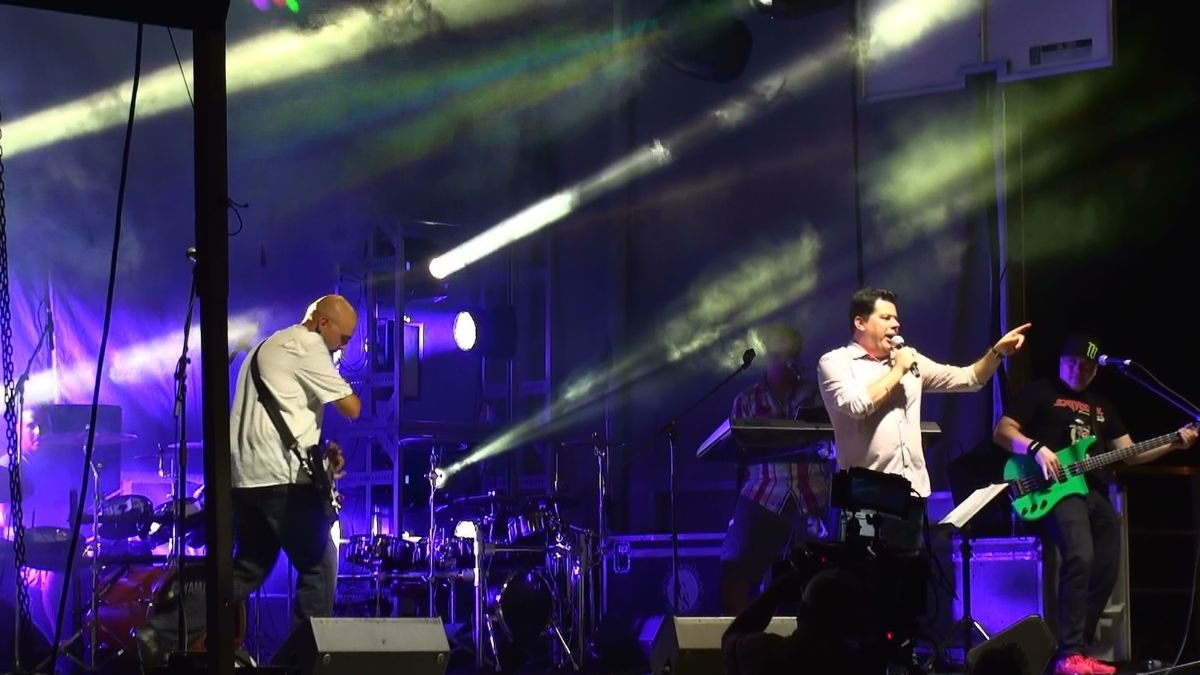
Many Portuguese musicians regularly perform live in Toronto. Their concerts feature traditional Portuguese instruments such as the guitar and bandolin. These concerts attract both local and international audiences. Toronto’s Portuguese music community has not only kept Portuguese music alive but has also reinvented it by blending it with modern styles and other musical genres.
Popular Portuguese Music Events and Festivals
The Portuguese community in Toronto organizes various festivals to keep their music and art alive. The “Portugal Day Festival” and the “Little Portugal Festival” are among the major events where Portuguese artists and musicians showcase their talents. These festivals feature not only music and dance, but also Portuguese cuisine and crafts.
The festival’s primary objective is to promote Portuguese culture among new visitors and the local community. It not only provides an opportunity for cultural exchange but also serves as a means for younger generations to connect with their cultural roots.
Young Portuguese Artists in Toronto
Today, there has been a growing number of young Portuguese artists and musicians in Toronto. These young artists present a blend of traditional art and music with modern styles. Some young artists are combining fado music with jazz or pop music, creating a new experience.
The efforts of young artists have increased the popularity of Portuguese music and art in Toronto. The participation of young audiences in their programs has given Portuguese art a new identity. Additionally, these young artists are making Toronto’s multicultural art and music scene more diverse and interesting.
The Impact of Portuguese Music and Art on Toronto
The presence of Portuguese artists and musicians in Toronto has enriched the cultural life of the entire city. This influence is not limited to art and music, but extends to local business, tourism, and social activities.
Portuguese concerts and art exhibitions have boosted Toronto’s arts and cultural activities. The local community, artists, and their families participate in these activities, promoting the city’s cultural diversity.
Social Contributions of Portuguese Artists
Portuguese artists and musicians have also made social contributions to Toronto. Many artists organize art and music workshops for children and youth. These workshops nurture young talent and connect them with their cultural heritage.
In addition, Portuguese artists support the local community by participating in social and charity events. These initiatives not only promote Portuguese culture but also foster a sense of social responsibility and cooperation in Toronto.
Conclusion
Portuguese artists and musicians in Toronto have made invaluable contributions to the city’s cultural heritage. Their efforts not only keep Portuguese culture alive but also serve as a source of inspiration for new generations.
Portuguese art and music have further strengthened Toronto’s multicultural identity. Whether it’s fado music, Portuguese painting, or live performances, they all add to the vibrant cultural landscape of Toronto.
If you’re in Toronto, don’t forget to experience shows by Portuguese artists and musicians. The art and music here are not only enjoyable but also tell the story of the Portuguese community’s rich cultural heritage.
