
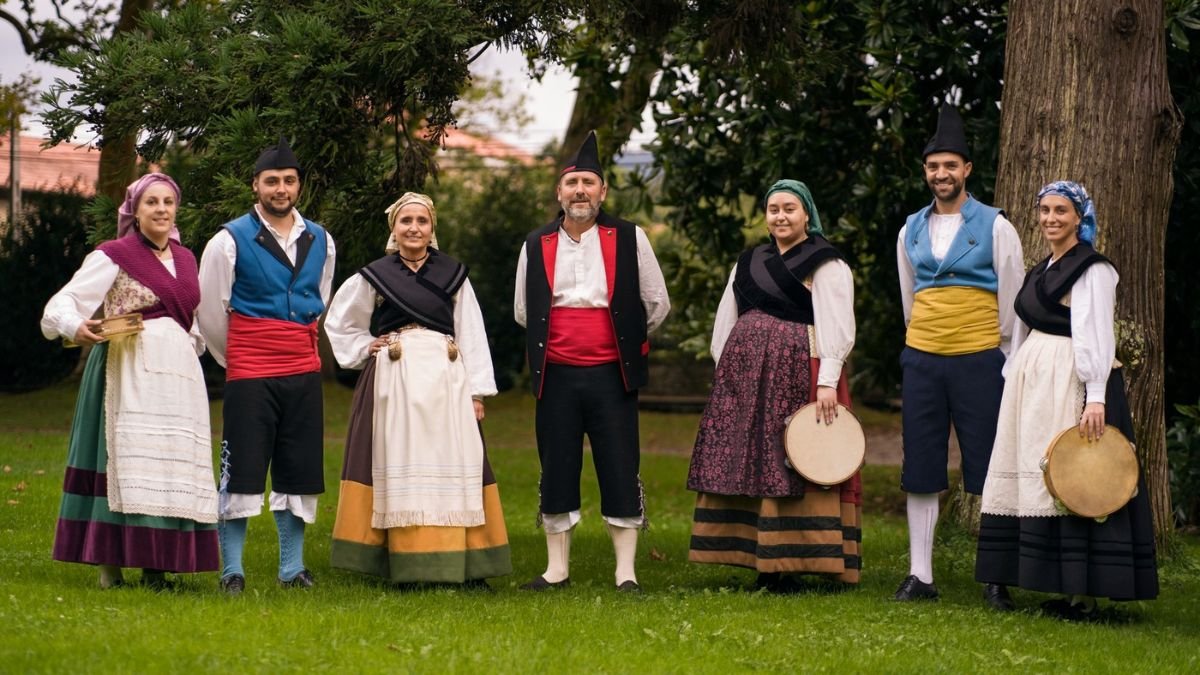
Excitingly, Toronto, Canada, over the years, has grown into an entirely sophisticated metropole through the confluence of several immigrant groups. One of these was the Portuguese migrant community, which had a significant social and cultural impact on Toronto fifty years later, building a considerable aspect of the city itself. This study will delve into the contributions of the Portuguese people to the history, tribulations, traditions, public life, and culture of the city.
The Arrival of the Portuguese Community in Toronto: A Historical Perspective
Something big was happening around the mid-1950s when the history of the Portuguese community in Toronto commenced. Because economic crisis, unemployment, and very few chances after World War II in Portugal caught more than a handful, they left in search of greener pastures abroad. At that time, Canada was really welcoming immigrants to help develop its fledgling economy.
Labor between Canada and Portugal duly signing a bilateral agreement in 1953 called for hundreds of Portuguese laborers flocking into Canada to become gainfully engaged in agriculture, construction, and manufacturing. Slowly but surely, these people started to settle in Toronto on a long-term basis, forming significant migrant groups in areas like Little Portugal and the Runnymede-Bloor area.
What is certain is that, between the 1950s and 1970s, the community grew increasingly strong and compact in Toronto against the background of higher immigration patterns.
Initial Struggles and Settlement
Most Portuguese newcomers to Toronto were agricultural or construction laborers who found the beginnings somewhat harsh and faced language barriers and culture shock with little education for starting afresh in a new country.
Apart from the hard work put in by everyone, the greatest asset of the Portuguese community was their willingness to sacrifice. While making sacrifices for themselves, their hopes were that their children would go to better schools, thus attaining economic stability and self-sufficiency.
Soon enough, the Portuguese had managed to bring in other family members into Toronto, which glued them closer together. By the end of the 1970s, the Portuguese community of Toronto was already thriving into a solid and relevant one.
Little Portugal – A Hub of Culture and Identity
The cultural identity of this community somehow outlived itself in this city of Toronto along Dundas Street West and Ossington Avenue, called Little Portugal.
Portuguese-language signs, traditional bakeries, coffee shops, churches, and cultural centres define the Portuguese character of this neighbourhood.
Murals of Portuguese origin brighten this area along with these decorations and food. In this way, Little Portugal becomes a hub for drinking, eating, and partying, while simultaneously becoming a heritage in itself, holding an imprint of the multicultural spirit of Toronto.
Religion and Community Institutions
The Portuguese religious people led lives intertwined with the Catholic Church. Of this, the most visited might be St. Helen’s and St. Mary’s Portuguese churches, in which social and religious lives intertwine.
The churches could offer much in terms of services, but even more in social support, language assistance, and employment help for newly arriving immigrants. Around these churches, Portuguese schools, cultural institutions, and youth organizations developed and flourished.
Language and Education
In Toronto, the Portuguese have established schools and institutions that provide language courses so that their children can maintain contact with their mother tongue and preserve their language and culture.
The younger generation today has, to some extent, mixed the Portuguese language with English and has almost dropped its usage in favor of English, though efforts continue to revive and retain it through family and community initiatives.
Arts, Music, and Festivals
Arts, music, and customs of the Portuguese people have gained a lot of popularity within Toronto. The main cause is the soulful “Fado” music, an emotive form of expressing the Portuguese soul.
Every year, a great Portuguese Festival is held with traditional dances, cuisines, music, and a parade. This has already become, both for the Portuguese community and for the entire city of Toronto, a major cultural celebration.
Besides, there are also contributions made to local art and theater by Portuguese artists and theater companies, which have added color to Toronto’s artistic diversity.
Economic Contributions
The Portuguese community became a considerable asset to the economy of Toronto. Initially, they worked in construction, manufacturing, and transport, but eventually, many Portuguese entered into business, real estate, hospitality, and education.
Currently, hundreds of restaurants, bakeries, supermarkets, and trading companies owned by Portuguese entrepreneurs are spread throughout Toronto, forming part of the economic lifeblood of the city.
Their hard work, service-mindedness, and integrity in business earned them a solid reputation in local society as trustworthy and respected citizens.
Societal Contributions and Political Involvement
The Portuguese-Canadian community is already getting a foothold not only in economics but also in social and political matters. Currently, many Portuguese Canadians hold positions in city councils, education boards, and government institutions.
They have played a vital role in nurturing multicultural policies, equality, and unity among different communities.
Organizations such as the Portuguese Cultural Centre of Mississauga, Casa Do Alentejo, and the Federation of Portuguese Communities in Canada have been instrumental in bridging the gap between mainstream Canada and Portuguese newcomers. Portuguese-Canadian professionals and firms further strengthen the community’s identity and presence.
A Fresh Generation and a Contemporary Identity
The young Portuguese-Canadian generation today embodies duality—embracing modern Canadian life while revering Portuguese roots and traditional values.
They have made their mark in music, film, fashion, technology, and politics, shaping the modern Canadian landscape while keeping their heritage alive. This blend of tradition and modernity reflects the community’s dynamic and evolving identity.
The Portuguese Culture Imprinted in Toronto
The arts and culture of Portugal can be felt in the streets of Toronto, its culinary offerings, and festivities.
Dishes like bacalhau, pastel de nata, and Portuguese coffee are no longer just part of community menus but have become symbols of the city’s identity.
Portuguese architecture and decorative styles have also influenced certain neighborhoods, giving them a distinct aesthetic character.
Future Directions
The Portuguese community looks forward to promoting education, professional development, and preserving a legacy for future generations.
Canada’s open immigration policy and multicultural approach have created countless opportunities for this community to thrive. In the coming years, the Portuguese-Canadian presence is expected to grow even stronger in Toronto’s social, economic, and cultural life.
Conclusion
With characteristics such as hard work, unity, and mutual respect, the Portuguese community in Toronto demonstrates how an immigrant group can establish identity, respect, and influence in a new homeland.
That part of Portuguese culture now flows through Toronto’s soul—in the aroma of cafés, the tunes of fado, and the warmth of family gatherings.
The stories of this community speak not only of migration but of fulfilled dreams, echoing through every lane and heart of Toronto.
