
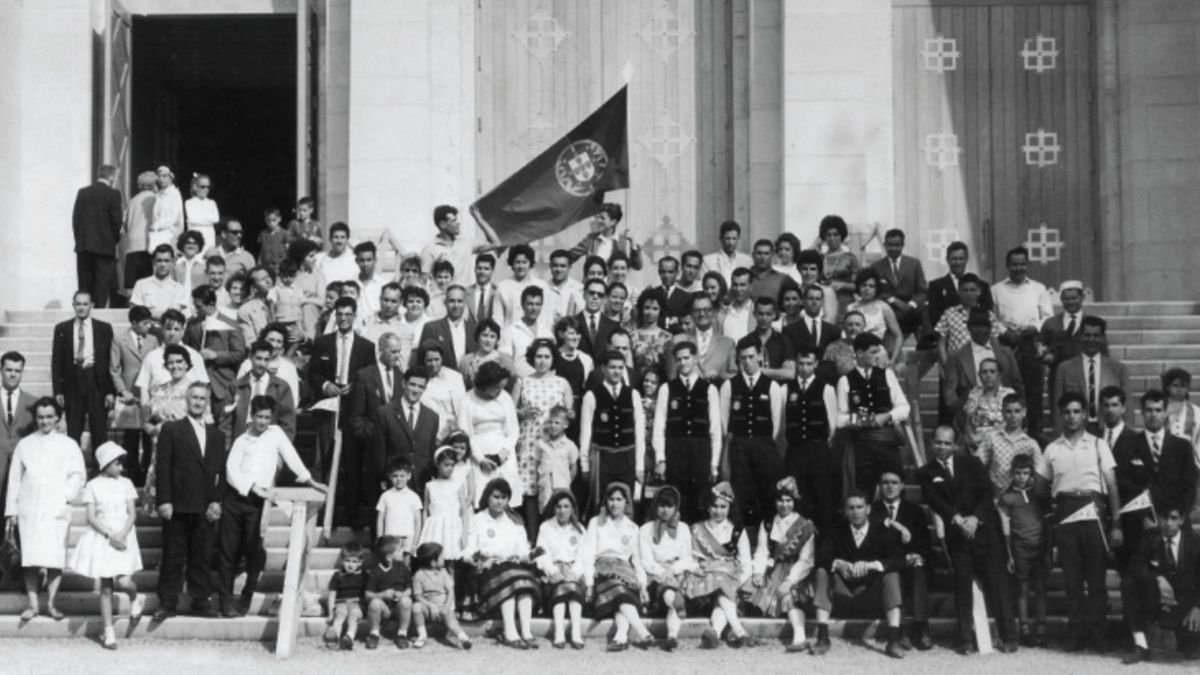
Toronto, the most multicultural city in Canada, is characterized by an environment of blossoming diversity. The city is not only known for its modernism and skyscrapers, but also for the cultural legacy of resettled immigrant communities that came from far and wide. A significant group influencing Toronto’s social, cultural, and economic identity over the years has been the Portuguese community. This article presents a timeline of Portuguese heritage development, history, and cultural contributions to Toronto.
1950s: The Beginning of Portuguese Migration
The history of the Portuguese community in Toronto begins in the 1950s. Many Portuguese fled to Canada in search of a better life due to post-war economic crisis, unemployment, and few opportunities at home. Immigration in those days benefited from the goodwill of the Canadian government, and Portuguese men found jobs in agriculture, construction, and manufacturing.
In 1953, a bilateral labor agreement was signed between Portugal and Canada, under which hundreds of Portuguese workers began arriving in Toronto. They started settling in Little Portugal and the area of Runnymede-Bloor, forming the early foundation of the community.
1960s and 1970s: Struggle for Survival and Settlement
The Portuguese settlers had to endure many challenges while settling in Toronto. They faced language barriers, cultural adjustments, and the difficulty of finding employment. But their greatest strengths were hard work and sacrifice. They worked tirelessly so that their children could receive a good education and lead a financially stable life.
Gradually, Portuguese immigrants brought more of their family members to Toronto, building a strong and close-knit community. By the 1970s, the Portuguese in Toronto were living, working, and socially and culturally active, forming a significant presence in the city.
Little Portugal: Cultural Identity and Center
Little Portugal, the area around Dundas Street West and Ossington Avenue, became a hub of Portuguese identity and culture. Portuguese language signs, traditional bakeries, coffee shops, churches, and cultural spaces define the neighborhood.
Portuguese art and murals add color and vibrancy to the area. Little Portugal is not only a place for dining and entertainment but continues to symbolize Portuguese heritage in Toronto, preserving traditions for future generations.
Religion and Community Institutions
Religion holds deep significance for the Portuguese community. Catholic churches, especially St. Helen’s and St. Mary’s Portuguese churches, serve as centers for worship, social support, and even help in employment opportunities for newcomers.
Around these churches, Portuguese schools, cultural institutions, and youth organizations were established. These institutions unified the community and provided guidance for newly arriving immigrants, fostering a sense of belonging.
Language and Education
Preserving the Portuguese language and education in Toronto remains a priority for many institutions. Children are taught Portuguese to maintain a connection with their cultural roots. While English has become dominant among younger generations, Portuguese language and culture continue to hold prestige and respect.
Arts, Music, and Festivals
Portuguese art and music, particularly Fado, are widely appreciated in Toronto. Fado serves as a medium to express the emotions of the Portuguese soul.
The Portugal Day Parade celebrates Portuguese dance, food, and music, showcasing their cultural richness. The Portuguese influence has significantly enhanced Toronto’s arts, theatre, and music scene, creating a vibrant multicultural environment.
Economic Contributions
The Portuguese community has made remarkable contributions to Toronto’s economy. Initially involved in construction, manufacturing, and transport, they gradually expanded into business, real estate, hotels, and education.
Today, Portuguese-run restaurants, bakeries, supermarkets, and trading companies complement the city’s economic landscape. Their integrity, work ethic, and tax-paying attitude have established a trusted identity within the local society.
Societal Contributions and Political Involvement
Portuguese-Canadians are socially and politically active. Many have served on City Councils, Boards of Education, and governmental positions, representing the community’s interests.
Organizations such as the Portuguese Cultural Centre of Mississauga, Casa Politic of Alentejo, and the Federation of Portuguese Communities in Canada have played a key role in integrating the Portuguese community into mainstream Canadian society.
New Generations and Current Identity
The new generation of Portuguese Canadians respects their roots while embracing the modernity of present-day Canada. They are active in fields like music, film, fashion, technology, and politics, ensuring that heritage and modernity coexist harmoniously.
This generation helps keep the Portuguese identity alive in Toronto, blending traditional values with contemporary life.
The Portuguese Culture in Toronto: A Thread
Portuguese culture is visible throughout Toronto’s streets, culinary offerings, and festive activities. Foods like Bacalhau, Pastel de Nata, and Portuguese coffee are not merely culinary items; they are symbols of the city’s identity.
Portuguese architecture and decorations enrich the character of certain neighborhoods, giving Toronto a unique cultural texture.
Future Directions
The Portuguese community looks forward to education, career opportunities, and legacy building in Toronto. Canada’s open immigration policy and multicultural strategy have provided new opportunities for growth.
In the coming years, the presence of Portuguese-Canadians is expected to become even more integral to Toronto’s social and cultural life, strengthening the city’s multicultural fabric.
Conclusion
The hardworking, united, and respectful nature of the Portuguese community demonstrates that immigrant groups can preserve identity and dignity.
Portuguese culture in Toronto is experienced through Little Portugal’s streets, cafes, Fado music, and family warmth. It is more than a story of migration; it is a dream realized, resonating in every Toronto street, and leaving an indelible mark on the city’s heritage.
